by Lois Tverberg
Th
e LORD said to Moses, “When you go back to Egypt see that you perform before Pharaoh all the wonders which I have put in your power; but I will harden his heart so that he will not let the people go. – Exodus 4:21
It seems odd that God would tell Moses from the very beginning that it would take many plagues to convince Pharaoh to let the Israelites go. Why couldn’t God have freed them with one spectacular display of power? Why couldn’t God have skipped the milder plagues if he knew he’d send the more powerful ones later?
One reason was that the purpose of the plagues wasn’t just to convince Pharaoh to free the 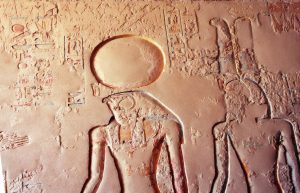 Israelites, but to declare that God was supreme over the many “gods” that Egypt worshipped (Ex.
12:12). God was communicating this to Pharaoh, and also to his own people who very likely believed in them after four hundred years in that land. Each of the plagues was a defeat of one or more of the gods that the Egyptians worshipped – the Nile god, the Sun god, the Frog god, the animal gods
Another reason could have been mercy. God didn’t simply come in and destroy the oppressor of his people, Pharaoh, before giving him a chance to let them go on his own. God gave him many chances that he rejected, and only after several times did God harden him from further repentance.
Finally, perhaps it was simply that God realized that after four hundred years of not knowing him, his people had to experience his power firsthand many, many times. He knew that they would soon be in the desert facing trials, and would lose faith quickly enough. He knew they would be there for forty years before reaching the Promised Land, and they needed strong memories to sustain them. He also knew that humans often think they’ve learned a lesson when they need to repeat it many times. He was instilling in his people a sense of his power that would sustain them for the millennia ahead.
Photocred: J. M. W. Turner and Riccadov
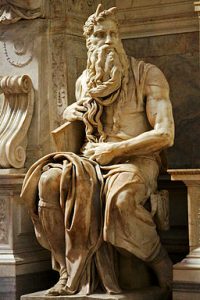 The story of the exodus from Egypt was a defining event in the life of Israel, when God heard their cries and saved them from their enemies. In Jesus’ time, it took on a heightened significance because the people were suffering under severe oppression of a foreign government, and they saw themselves as reliving the afflictions of Egypt. They prayed for a Messiah to come as a second Moses who would free them from bondage to the pagan ruler, just as he did before.
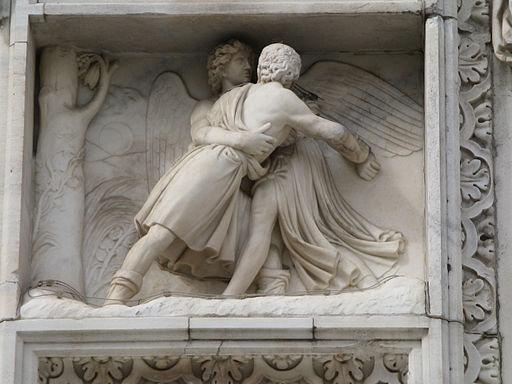 An interesting pattern emerges as we read the stories of Isaac and Jacob carefully. Both of these men had encounters with God, and interestingly, the encounters usually happened when they were traveling into or out of the Promised Land.