by Lois Tverberg
Consider how the lilies grow. They do not labor or spin. Yet I tell you, not even Solomon in all his splendor was dressed like one of these. If that is how God clothes the grass of the field, which is here today, and tomorrow is thrown into the fire, how much more will He clothe you, O you of little faith! Luke 12:27-28
Jesus uses parables to explain difficult theological ideas with stories of everyday things. One of the methods he uses is a technique called kal v’homer, meaning “light and heavy.” It was of teaching a larger truth by comparing it to a similar, but smaller situation. Often the phrase “how much more” would be part of the saying.
Jesus used this when he taught about worry, in today’s passage above. We also see it in parables where he doesn’t necessarily use the phrase “how much more”:
“In a certain town there was a judge who neither feared God nor cared about men. And there was a widow in that town who kept coming to him with the plea, ‘Grant me justice against my adversary.’ “For some time he refused. But finally he said to himself, ‘Even though I don’t fear God or care about men, yet because this widow keeps bothering me, I will see that she gets justice, so that she won’t eventually wear me out with her coming!’” And the Lord said, “Listen to what the unjust judge says. And will not God bring about justice for his chosen ones, who cry out to him day and night? Will he keep putting them off? I tell you, he will see that they get justice, and quickly.” (Luke 18: 1 – 8)
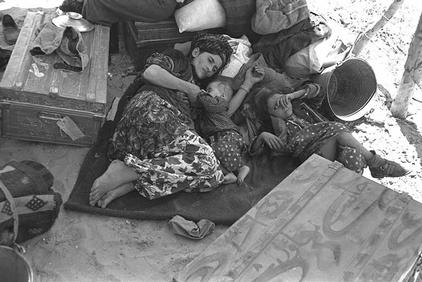 Here we see an unjust judge finally grants justice to a widow who keeps bothering him. Jesus concludes that if an unjust judge will help a widow who keeps coming to him, how much more will God answer the prayers of those who keep praying! Jesus tells another story of a man who goes to his neighbor asking for bread to feed some unexpected guests. He says, even if the neighbor would not give him bread because he is a friend, he will do it because of the man’s obnoxious persistence.
If we understand that Jesus is deliberately contrasting these people who are very unlike God, we see how much greater he is! God is not a callous judge – he cares deeply for the widow and orphan. God is not a sleepy neighbor, he knows our every need, and wants our good at all time. If even the very least godly people will act to help us when pressed, how great will God’s answers be to the persistent prayers that we bring to him!
Photo: www.tOrange.us and Pessimist2006
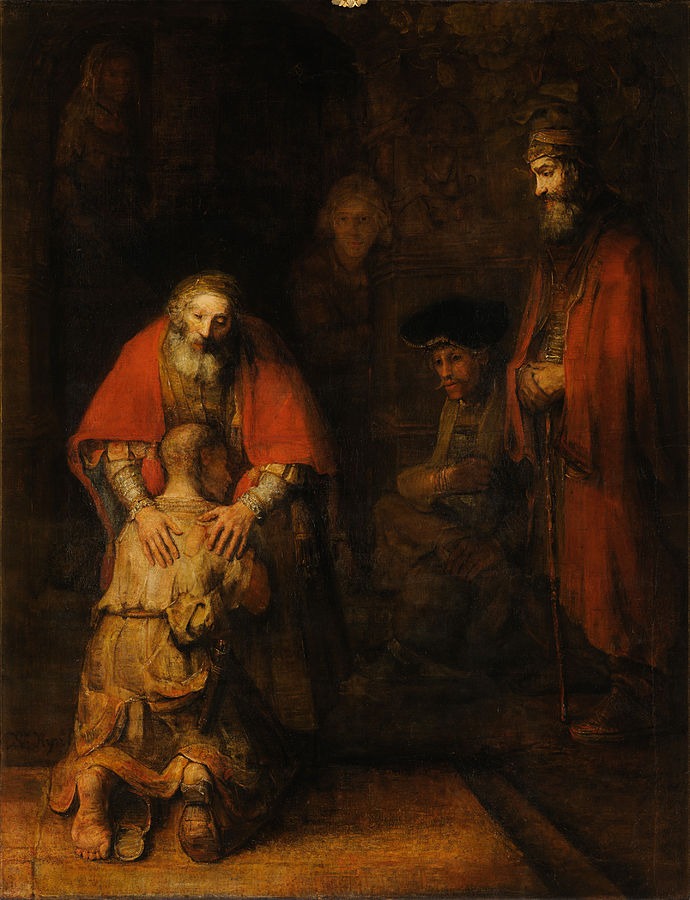 Through the parable of the Prodigal Son, we get a more Eastern picture of sin – as that of a broken relationship. The prodigal son who asked for his inheritance early was making a powerful statement of rejection of his family. In Eastern cultures, to make that request was to imply a wish that the father was already dead. It would have been profoundly hurtful to the family as the son sold the family’s property for his own gain.1 It shows us a picture of the great personal offense we cause God as we reject him as our father. Sin does not just “break the rules,” it is a direct rejection of the God who is our loving parent, who cares for us deeply.
 It is interesting to relate this idea to another one that Jesus used in his ministry – the Year of Jubilee. During the Year of Jubilee in Israel, all debts were to be forgiven, and any land that a family had been forced to sell in a time of famine could be reclaimed by them. It is interesting that the prophets and rabbis connected this thought of the year of Jubilee with the coming of the Messiah. In fact, one of Jesus’ first public statements about his ministry was to quote Isaiah 61, which says that he was anointed to proclaim “the year of the Lord’s favor,” meaning, the Jubilee year (Luke 4:19).
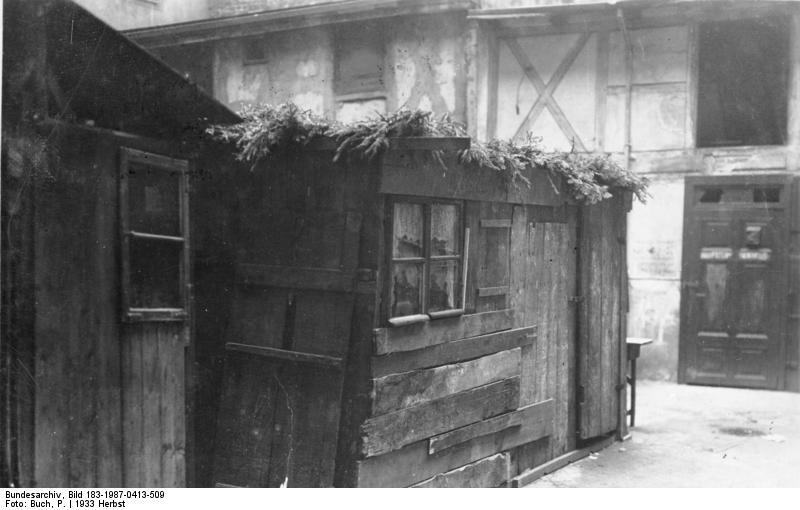
 “Do not judge, and you will not be judged. Do not condemn, and you will not be condemned… For with the measure you use, it will be measured to you.”
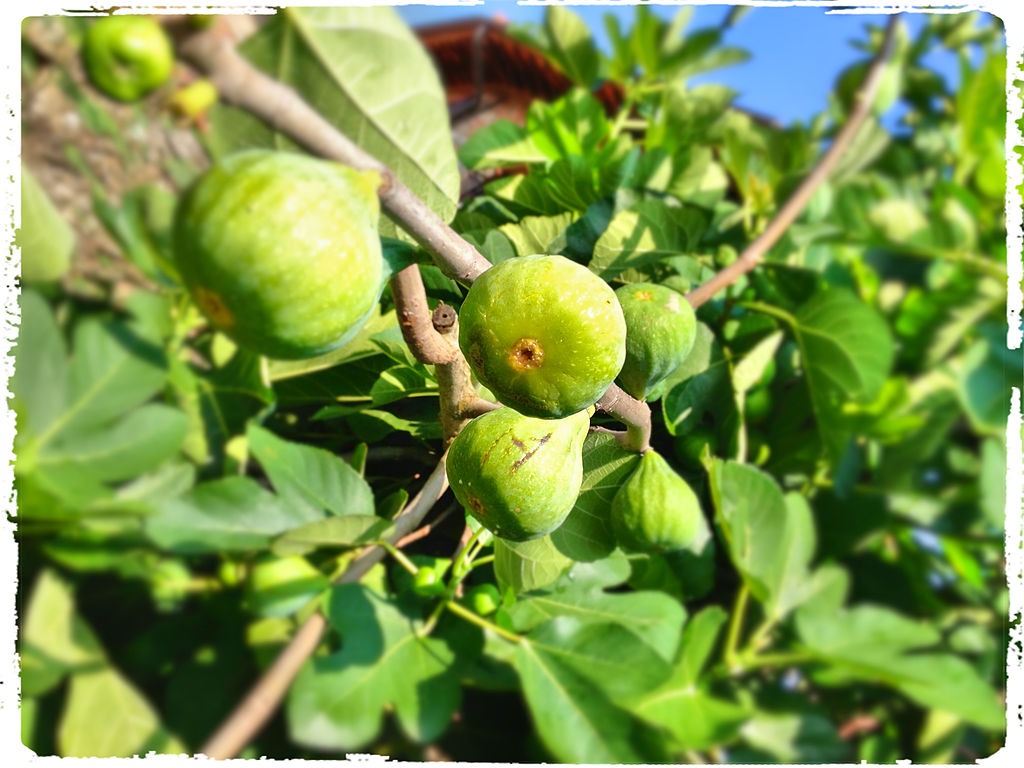 To what may this be compared? To a human king who owned a beautiful orchard which contained splendid figs. Now he appointed two watchmen, one lame and the other blind. One day the lame man said to the blind man, “I see beautiful figs in the orchard. Put me on your shoulders so that we can pick and eat them.” So the lame man got on the shoulders of the blind man and they gathered the figs and ate them.