by Lois Tverberg
Isaac planted crops in that land and the same year reaped a hundredfold, because the LORD blessed him. The man became rich, and his wealth continued to grow until he became very wealthy. He had so many flocks and herds and servants that the Philistines envied him…Then Abimelech said to Isaac, “Move away from us; you have become too powerful for us. – Genesis 26:12-16
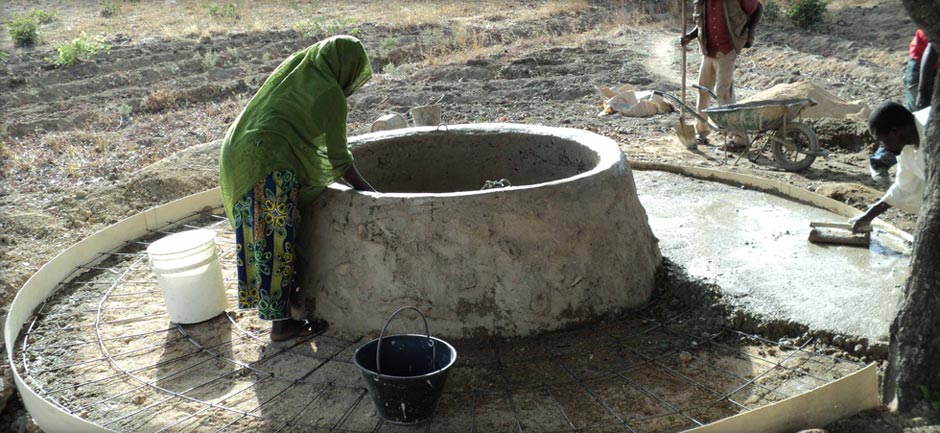
 We don’t read much about Isaac but that he dwelled in Canaan his entire life and prospered there. He lived in the south, near Beersheba, in the most arid area of the country. Drought was common, and a famine was in progress even when Isaac moved there (Gen. 26:2). Surprisingly, in these adverse conditions, the scriptures say that Isaac “reaped a hundredfold” – that the seed that he planted yielded 100 times the amount that was sown. This was an extraordinary harvest, and would have been even for places with more rain. Jesus probably was alluding to it when he described a seed sown in good soil that yielded a “hundredfold” (Luke 8:8).
Amazingly, in the midst of drought Isaac prospered, to the extent that the king of the region asked him to move away. He had inherited the blessing as his father Abraham, who had also prospered as a nomad in a hostile country that was prone to drought and famine. Looking ahead, we will see the same blessing for Isaac’s descendants whose numbers increased greatly in the land of Egypt. So much so, that they threatened Pharaoh’s leadership until they too were told to move away.
It is interesting that even in drought and hardship, God’s people prosper. This seems to be the an inherent part of the blessing that we have inherited from Abraham’s family. We, too, find that dryness makes us wise, keeps us thinking, and helps us focus on what is essential. Abundance lets us get flabby, wasteful, careless and lazy. Most importantly, when it is dry in our lives, we cling to God and pray frequently to him. It is then that he is most able to prosper us spiritually, to cause the seed that is growing in our hearts to yield 100 times more than what was sown.
Photocred: kaboompics.com
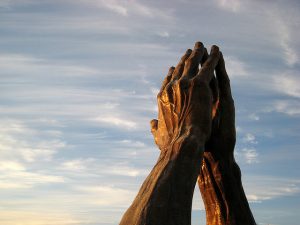 One fascinating aspect of the story is that God told Abimelech that when Abraham would pray for the king, he would live. The implication is that God would wait to spare Abimelech until after Abraham had interceded. It seems like very odd logic that God himself would not release the king until Abraham prayed! We have a similar story at the end of book of Job. God was angry with Job’s counselors and said to them,
 Abraham is known most for one quality – his faith in God, and his faithfulness to God. But if we look at the words that come out of his mouth through his life, we can see that his faith grows over time, as he sees that God is utterly reliable in keeping his promises.