
by Lois Tverberg
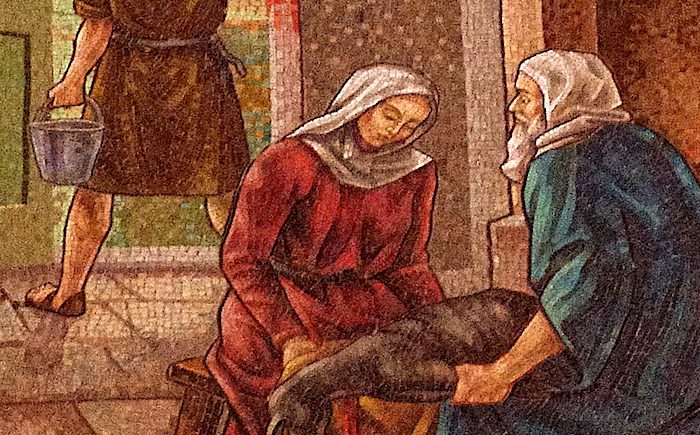
Tell the whole community of Israel that on the tenth day of this month each man is to take a lamb for his family, one for each household… Take care of them until the fourteenth day of the month, when all the people of the community of Israel must slaughter them at twilight. Then they are to take some of the blood and put it on the sides and tops of the doorframes of the houses where they eat the lambs… The blood will be a sign for you on the houses where you are; and when I see the blood, I will pass over you. No destructive plague will touch you when I strike Egypt. (Exodus 12:3-4, 6-7, 12)
What was the significance of putting blood on the doorposts? One very important thing to realize is how it foreshadows the future shedding of blood of Christ, that protects us from judgment, just as the blood here protected the families from judgment.
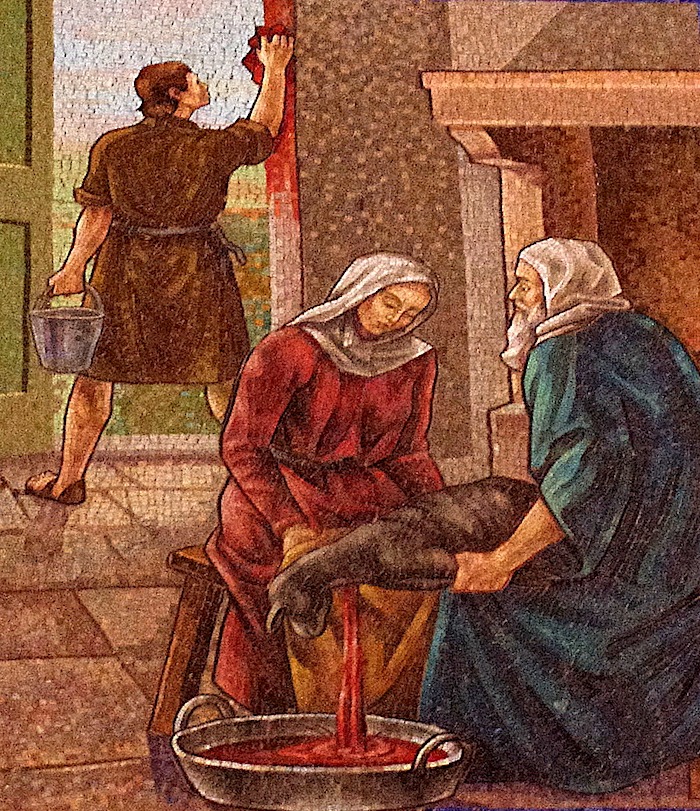 But yet, the act of putting blood on the doorposts says other things as well. One is that it was a public commitment to the God of Israel in that hostile land, in which that kind of sacrifice was an abomination, which would lead to the person’s being stoned (Ex. 8:26). Only those that were convinced that God would triumph over the Egyptian gods would have done so because of fear of public execution.
Also, putting the blood on the doorposts was a mark of faith that apparently was not limited to Israelites, but anyone who placed his or her faith in God. The text says that many others left Egypt with the Israelites (Ex. 12:38) – perhaps they too had claimed this God by marking their homes. Even some of Pharaoh’s officials feared the Lord – could some of them have even done it? Interestingly, entire homes and families were saved, just as in the New Testament, entire families were baptized and saved (Acts 16:34). Even Rahab the harlot was able to save her family by marking her home with a scarlet cord! (Josh. 6:25) The Bible often talks about salvation in terms of families, while we think in terms of individuals.
Finally, it is amazing that God told people to make a sacrifice and put the blood on their homes. Normally sacrifices were made at an altar in a tabernacle or temple, and only the ceremonially clean could enter in. God’s great shekinah glory would be very present at the altar, apart from the rest of the people. Here, God was telling them to anoint their home as God’s altar, and publically place their faith in him. God’s presence came that night and to those who did not fear him, it lead to judgment. But to those who had faith, it would set them free.
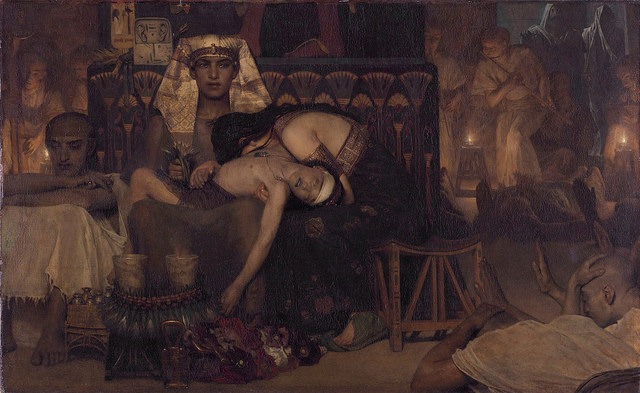
 It is important to understand that in Hebrew, the word for “know,” yada, is more broad than in English, describing personal experience, not just intellectual knowledge. To “know” God in this sense is not just to have heard a name, but having awe for him from encountering his power directly. Pharaoh had no fear of this God because he had never experienced God’s power.
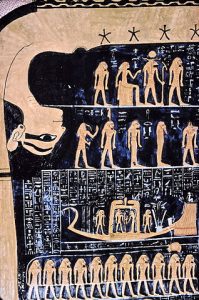 The very first instruction that God gave the Israelites as they were leaving Egypt was to establish a new calendar that was utterly unlike the Egyptian calendar. This may not seem significant to us, but how we measure time is fundamental for how we look at life. Our calendars define the importance of the day to the entire culture, saying whether we should work, rest or worship, or think about some great event in our past.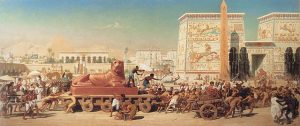
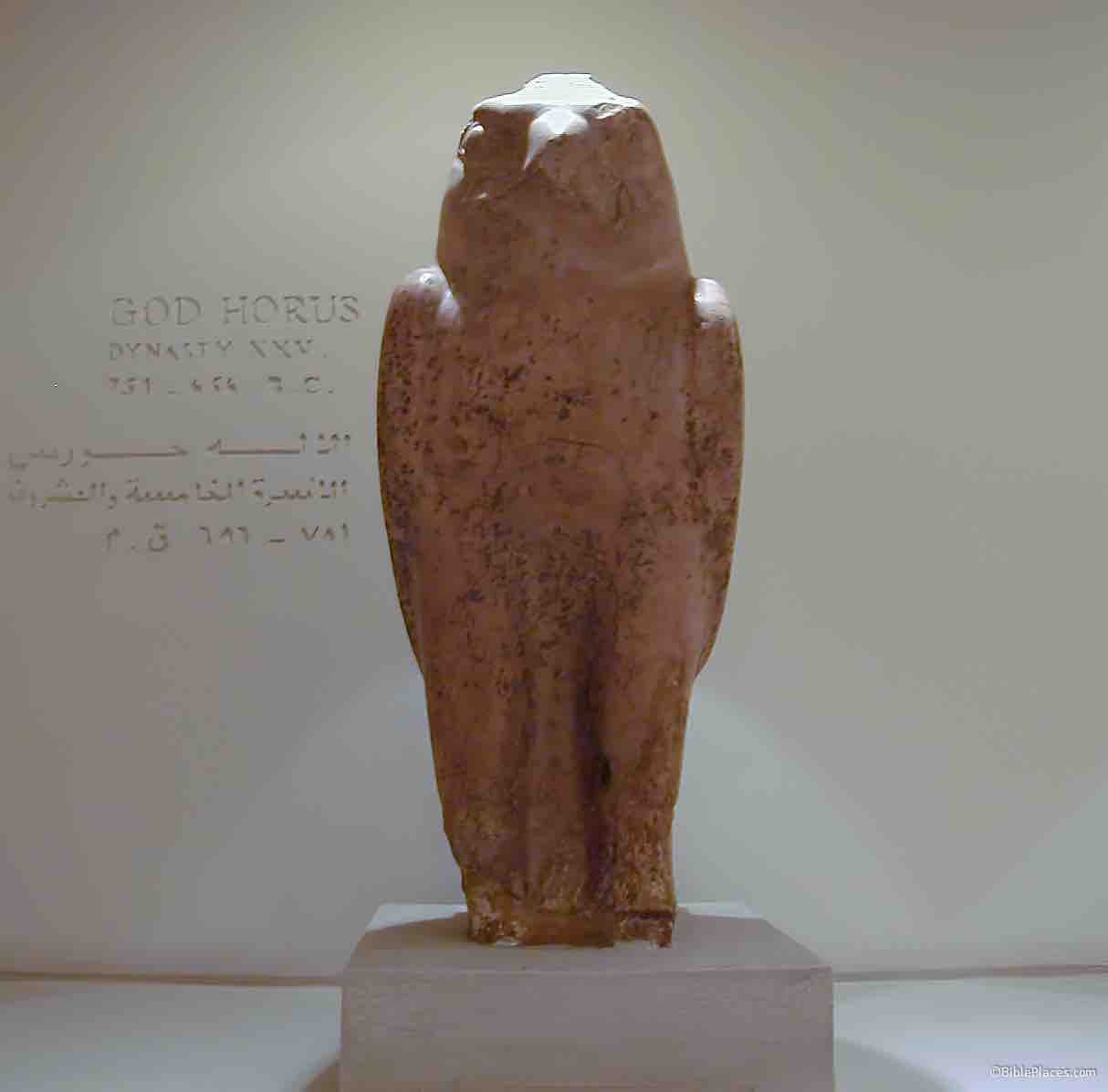
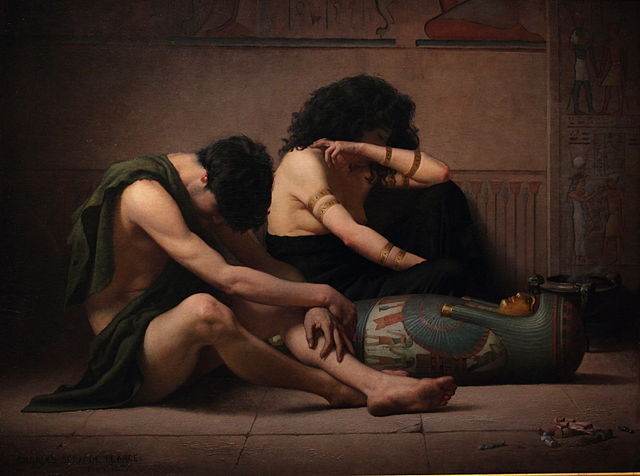
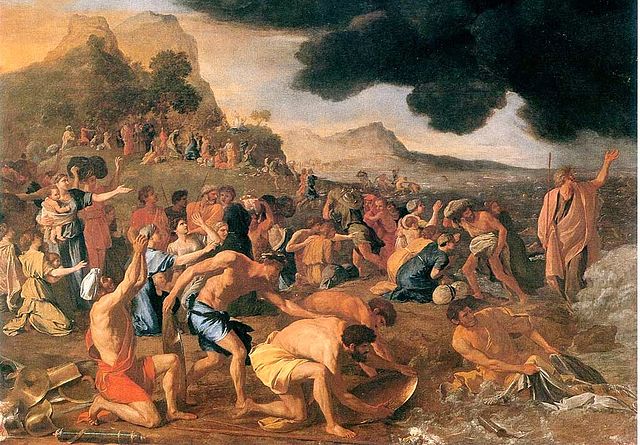
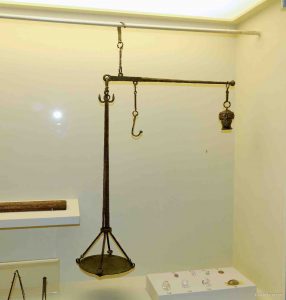 The rabbis pointed out that this pattern of the punishment fitting the crime is a recurring theme throughout the Scriptures. Because Jacob deceived Isaac in his blindness into giving him the birthright, Jacob is fooled into marrying Leah when he is “blind” – when she is brought to him veiled, and in the night he doesn’t see his new wife. Or, because Pharaoh killed the Israelite boys by drowning them in the river, God defeated his army by drowning them too. Haman was hanged on the gallows that he prepared for Mordechai. The rabbis called this pattern “measure for measure” – midah keneged midah.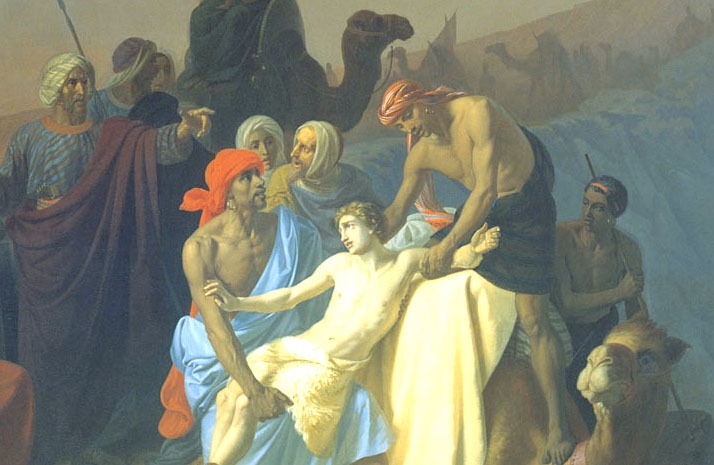
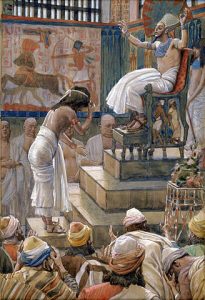 An interesting thing to note was that it seems that even though Joseph had great power in Egypt, he was still a slave even then and not free to leave. In the passage above, when Joseph wanted to travel to Canaan to bury his father, he had to ask permission. Scholars believe that the officials, chariots and horsemen who went with him were there partly to honor Jacob, but also to guard Joseph to make sure that he returned to Egypt.
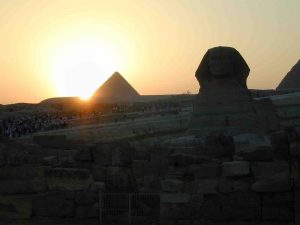 In the next weeks En-Gedi’s Water from the Rock series will focus on Exodus, specifically God’s redemption of the Israelites from Egypt. Christians generally don’t see this story as especially significant. But for thousands of years, Jewish readers have considered it a defining point their history, when God reached down into world events in an unprecedented way. The story of redemption is also central to the rest of the Scriptures, as the foundation of God’s relationship with the people of Israel. We can see the story’s critical importance just by noticing the many references that are made to it throughout the Bible. Here are just a few: